If you've got a box, a binder, or a whole closet of sports cards and you're trying to figure out how to actually turn them into cash, you've probably already run into the problem: there are a dozen ways to sell cards online, and almost nobody tells you the real tradeoffs between them.
This isn't a "top 10 tips" post. It's a straight breakdown of every real option, who it's actually good for, and where each one falls apart.
Editorial note: Platform terms are volatile. Fee, shipping, and payout details were checked on official U.S. pages on September 7, 2026; confirm them again before listing.
Option 1: eBay
eBay supports fixed-price and auction listings for sports cards. Its single-card categories use Graded and Ungraded condition choices, so identify the exact set, year, player, parallel, serial number, and grade accurately.
The tradeoff: you photograph, describe, price, package, and fulfill each order. As reviewed, eBay's U.S. no-Store fee table listed a 13.25% final value fee for Sports Trading Cards up to $7,500 per item, 2.35% on the portion above $7,500, plus a per-order charge. The percentage generally applies to the total amount of the sale, not only the card price; Store plans and other charges can differ.
For eligible low-value shipments, eBay advertises Standard Envelope protection for a single card valued up to $20 or multiple cards up to $50. Check the current size, weight, category, and packaging rules before selecting it. eBay says proceeds typically take 1–2 days after payment confirmation to become available unless held; payout schedule and bank processing add time.
Option 2: Whatnot (Live Auctions)
Whatnot offers live selling as well as marketplace listings. A live show puts cards in front of viewers at a scheduled time, but you need seller access, a prepared show, and an audience interested in the inventory.
As reviewed, Whatnot's U.S. fee page listed Sports Singles at an 8% commission on final sale price up to $1,500, with a limited-time 0% commission on the portion above $1,500, plus 2.9% of total order value and $0.30 per transaction for payment processing. Promotions and country/category rules can change. Whatnot requires shipment within two business days absent an approved exception, and says most sellers are paid after buyers receive their orders.
Live bidding can create urgency, but it does not guarantee a higher result. Viewer fit, presentation, starting price, card demand, and the bidders present all matter.
Option 3: Local Card Shops
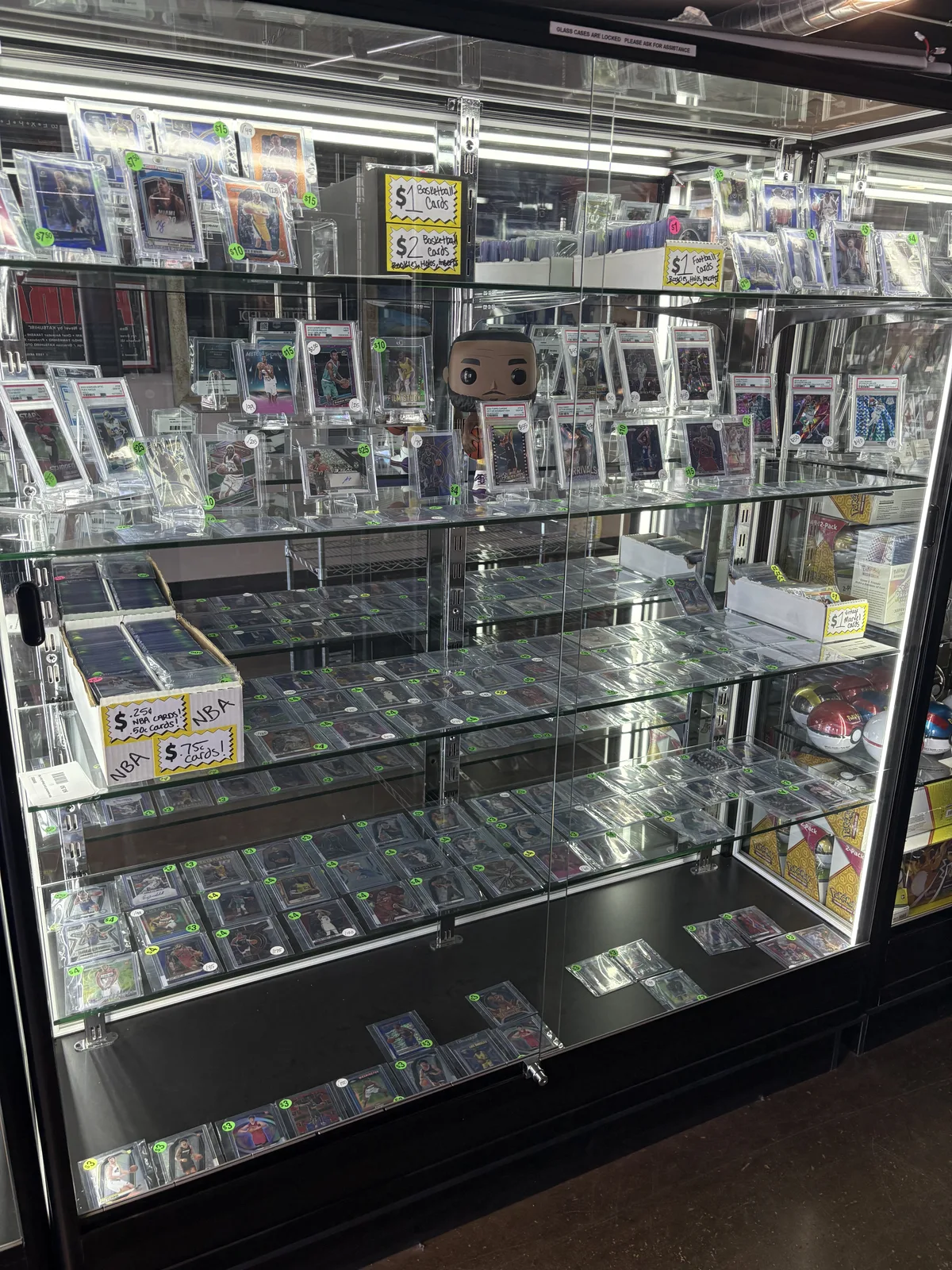
Selling or trading to a local shop is not an online marketplace sale, but it is a useful benchmark. A dealer buyout transfers the resale work and risk to the shop, so compare the written offer with realistic net online proceeds—not an unsold asking price. Ask whether the quote is cash or store credit and when payment is made.
Option 4: Consignment
With consignment, you deliver cards to a seller who prepares and markets them, then receive the agreed share after a completed sale. Read the agreement for acceptance standards, the definition of net sale price, commission, platform-fee treatment, insurance, unsold returns, and payout timing.
It's the same logic as consigning furniture, instruments, or watches. You get access to a market you don't have to build yourself.
Why consignment works especially well on Whatnot
An established Whatnot consignor lets you use a live-selling operation without obtaining seller access and running your own show. It does not guarantee the audience size, sale date, or price.
Under the current Sports Card Hustle terms, the consignor receives 60% of Net Sale Price for an item sold under $50, 75% from $50 through $499.99, and 85% at $500 or more. Net Sale Price deducts applicable platform fees from the final hammer or sale price. The consignor pays inbound delivery; Sports Card Hustle covers listed packaging and outbound buyer shipping after sale. The initial term is 120 days, and payment is due within 10 business days after the applicable show or sale closes, subject to successful buyer payment and the agreement's return and offset provisions.
So which one is actually right for you?
- You value asking-price control and searchable exposure → compare eBay's current net proceeds and workload.
- You value a direct offer and less selling work → request a current local-shop quote and payment timeline.
- You have volume and do not want to operate listings or a live show → compare written consignment terms.
- You want to watch the process, bid, and be part of the hobby community while you're at it → join a Whatnot show and see it in action first.
If you're sitting on cards and the idea of photographing, listing, and shipping every single one sounds like a chore you'll never actually start, that's usually the clearest sign consignment is the right call. Send us what you've got and we'll tell you honestly whether it's a fit.
Before choosing a platform, compare Whatnot vs. eBay for sports cards. If you still need to price the collection, start with how to find what your sports cards are worth.
Sources and update record
Official sources checked September 7, 2026: eBay selling fees, eBay payouts, eBay trading-card selling and Standard Envelope eligibility, Whatnot seller overview, Whatnot seller fees, Whatnot seller onboarding and payouts, and Whatnot shipping requirements. Sports Card Hustle details were checked against the current consignment agreement.
Next scheduled review: by December 6, 2026, or sooner if a marketplace or Sports Card Hustle changes a fee, eligibility rule, shipping obligation, or payout term.
Ready to sell what you've got?
Send us your cards and we'll price them, prep them, and sell them live on Whatnot — no upfront cost.
Consign Your CardsDenver Card Shows and Trade Nights: What's Actually Happening This Fall
A verified fall 2026 calendar of Denver and Front Range card shows, grading events, and recurring shop trade nights.
ResellingDenver UFC Card Consignment: A Day in the Life
How a Denver card-show conversation became a UFC sports card consignment deal, from collection review to a live Whatnot auction.